
How to Build a High-Converting Landing Page in 2026
Creating a landing page may sound simple, but building one that actually converts visitors into customers is a completely different challenge. Many businesses focus too much on visual design while forgetting the most important factor: clarity.
A high-performing landing page should guide visitors toward one specific action without confusion, distractions, or unnecessary friction. Whether you’re running paid ads, launching a new product, or generating leads for your business, your conversion page can directly impact conversion rates and advertising costs.
At Qubed Agency, we believe successful dedicated web pages combine strategy, messaging, performance, and user experience into one seamless journey.
Make It Clear What You Offer
Visitors should understand what your product or service does within the first few seconds of arriving on the page. If users need to scroll, search, or guess, there is already too much friction.
Your headline should answer three simple questions immediately:
- What is this?
- Who is it for?
- Why should I care?
Strong high-converting page messaging removes confusion and keeps users engaged. Avoid vague marketing phrases or generic claims that say a lot without actually communicating value.
Instead of writing:
“Innovative digital solutions for modern businesses”
Write something more direct and outcome-focused:
“Custom websites designed to increase leads and conversions.”
Specificity always performs better than buzzwords.
Match the Landing Page to User Intent
One of the biggest mistakes businesses make is sending users to a generic page after clicking an ad.
If someone searches for “restaurant website design,” the landing page should immediately talk about restaurant websites — not general branding services or unrelated portfolio content.
Google’s advertising systems now place a strong emphasis on relevance between ads and dedicated web pages. A disconnect between user intent and page content can reduce ad performance and increase costs.
Every conversion-focused websites should feel like a direct continuation of the ad, campaign, or message that brought the visitor there.
Use One Primary Call-to-Action
Too many pages try to push visitors toward multiple actions at once:
- Contact us
- Subscribe
- Download
- Call now
- Learn more
- Watch video
When everything is important, nothing is important. A strong conversion page focuses on one primary conversion goal. This creates a cleaner experience and helps users make decisions faster.
Examples of effective primary CTAs include:
- Request a Quote
- Book a Consultation
- Start Your Project
- Get Pricing
Secondary actions can still exist, but they should support the main conversion path instead of competing with it.
Keep the Design Clean and Easy to Scan
Modern users do not read websites word by word. They scan. That means your landing page should be structured with:
- Clear headings
- Short paragraphs
- Visual hierarchy
- Strategic whitespace
- Easy-to-find buttons
A cluttered page creates cognitive overload and increases bounce rates.
Good landing page design is not about adding more animations or effects. It is about reducing friction and helping users move naturally toward conversion.
Show the Product or Service Clearly
Visual communication matters just as much as written content.
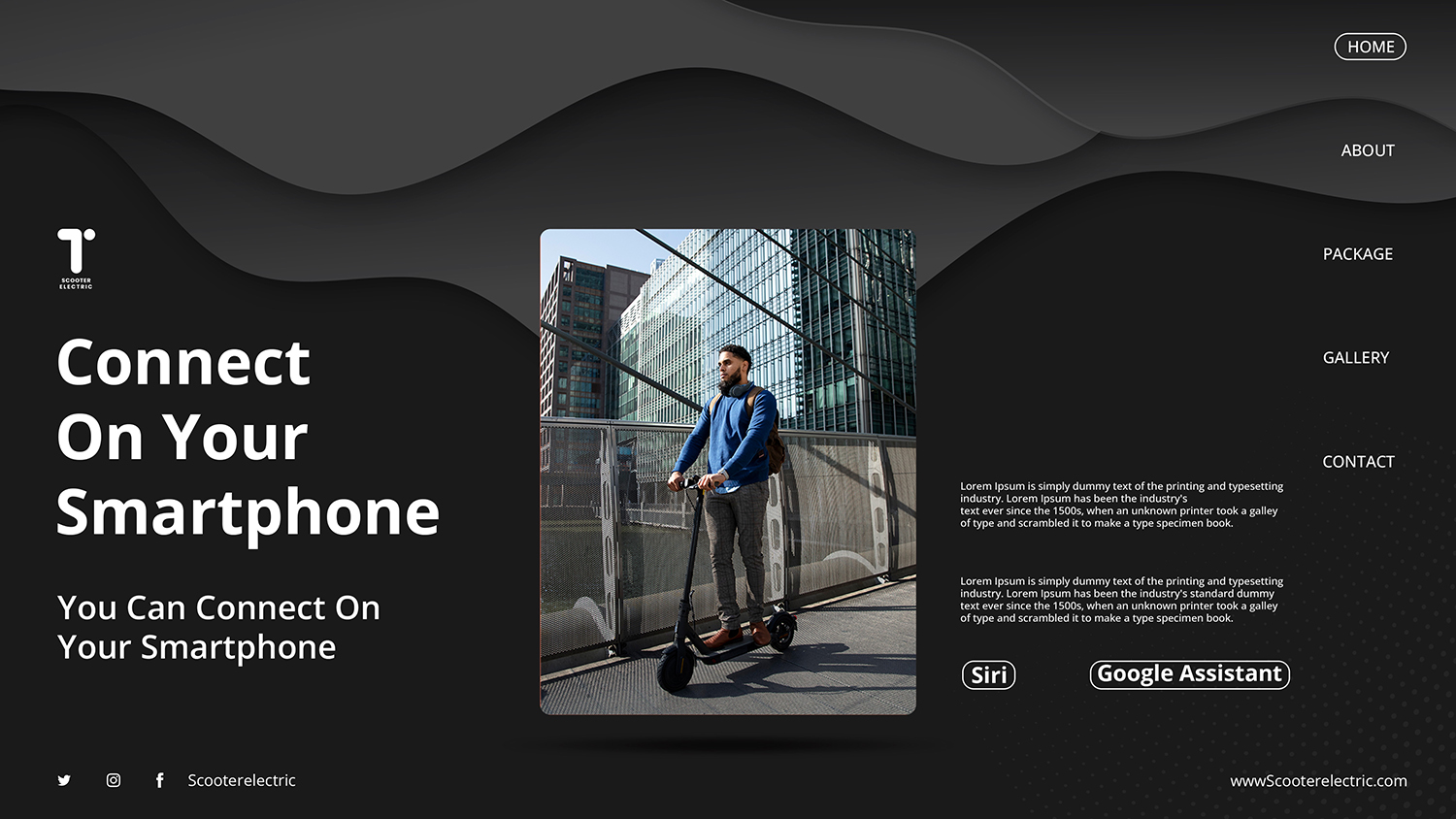
If you are selling a digital product, show screenshots or interface previews. If you provide services, use relevant project visuals, case studies, or before-and-after examples.
Images should support understanding — not simply decorate the page.
Video content can also improve engagement when used correctly, but shorter videos usually perform better than long presentations. Visitors should quickly understand the value without needing to invest several minutes upfront.
Answer Questions Before Users Ask Them
A high-converting campaign page reduces uncertainty before visitors reach the contact form.
An FAQ section can help answer common objections such as:
- Pricing expectations
- Timeline
- Process
- Integrations
- Technical requirements
- Support availability
This builds trust and allows users to self-educate before converting.
Speed Matters More Than Ever
Even the best-designed landing page will struggle if it loads slowly. Users expect websites to load almost instantly, especially on mobile devices. A slow experience can increase bounce rates and reduce conversion performance dramatically.
To improve landing page speed:
- Compress images properly
- Use WebP formats
- Avoid unnecessary scripts
- Enable lazy loading where appropriate
- Minimize heavy animations
Google also considers page speed when evaluating landing page quality for advertising campaigns. At Qubed Agency, performance optimization is always part of the design process — not an afterthought.
Optimize for Mobile First
Today, most landing page traffic comes from mobile devices. A page that looks great on desktop but feels awkward on mobile will lose conversions quickly.
Your landing page should have:
- Mobile-friendly typography
- Large clickable buttons
- Fast loading speed
- Responsive layouts
- Proper spacing
- Minimal distractions
Mobile optimization is no longer optional. It is a core part of conversion-focused web design.
Build Trust with Social Proof
People trust other people more than marketing claims. Testimonials, client logos, reviews, statistics, and case studies can all increase credibility and reduce hesitation.
However, social proof should feel relevant to the service or product being promoted. Generic testimonials placed randomly across the page are far less effective than contextual proof connected directly to the user’s problem.
Why Most Landing Pages Fail Within 5 Seconds
The average visitor decides within seconds whether a page feels relevant or not. If the messaging is unclear, the layout feels overwhelming, or the value proposition is hidden too far down the page, users will simply leave.
Most landing pages fail not because the product is bad, but because the communication is confusing.
A strong landing page should instantly answer:
- What is this?
- Who is it for?
- Why should I trust it?
- What should I do next?
This is why above-the-fold design is so important. The first visible section of a landing page often determines whether a visitor continues scrolling or exits the site completely.
Above-the-Fold Design Still Matters
The first section visitors see without scrolling plays a critical role in conversions. A cluttered hero section with weak headlines, multiple CTAs, or generic stock imagery can immediately reduce trust.
Instead, focus on:
- one clear headline,
- one primary CTA,
- strong visual hierarchy,
- and messaging that matches user intent.
Modern landing pages should feel simple, fast, and easy to understand from the very first interaction.
Final Thoughts
A successful landing page is not just about aesthetics. It is about communication, clarity, performance, and user psychology.
The best landing pages guide visitors through a simple and distraction-free experience that makes taking action feel natural.
At Qubed Agency, we design landing pages that combine branding, strategy, and conversion optimization to help businesses generate more leads and better results.
If your current landing page is not performing the way it should, it may not need a complete redesign — sometimes small improvements in messaging, structure, or performance can make a significant difference.
FAQ – What makes a good landing page?
What makes a good landing page?
A good landing page clearly explains the offer, matches user intent, loads quickly, and guides visitors toward one primary action.
How long should a landing page be?
The ideal landing page length depends on the complexity of the offer. Simpler products may require shorter pages, while high-ticket services often benefit from more detailed explanations and trust-building sections.
Why is landing page speed important?
Slow pages increase bounce rates and reduce conversions. Fast-loading pages also improve advertising performance and user experience.
Should landing pages be different from regular websites?
Yes. Landing pages are designed with one specific conversion goal in mind, while regular websites often contain multiple navigation paths and objectives.
How important is mobile optimization?
Extremely important. Most users browse on mobile devices, so responsive layouts and fast mobile performance are essential for conversions.
Tags:

Does a Successful Crowdfunding Campaign Equate Success in Retail?
Does a Successful Crowdfunding Campaign Equate Success in Retail? What does it take to make it big on Kickstarter or Indiegogo? And more importantly, does
5 Different Types of Logo Designs
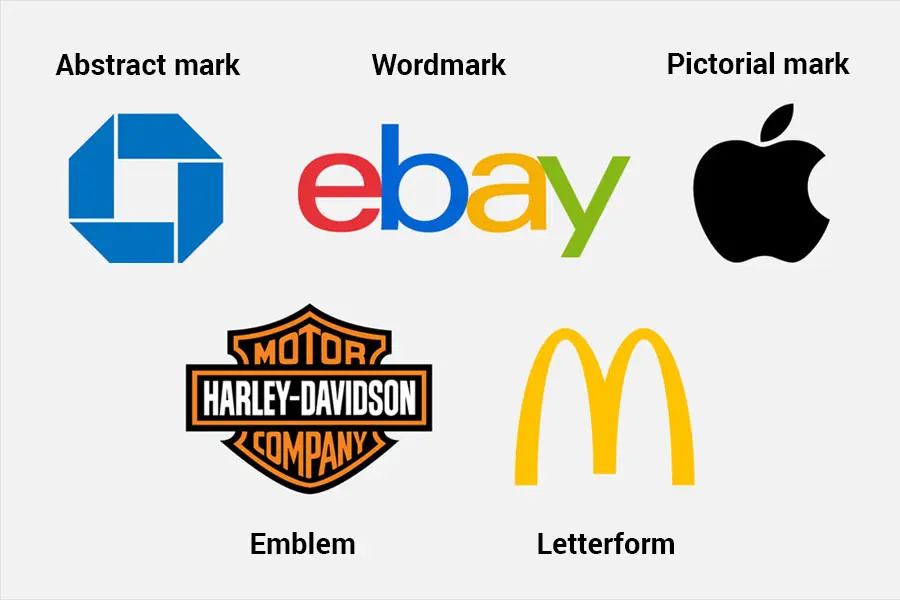
There are many different types of logos – a logo might be just a name set in a chosen typeface or a mark or both.

Book Cover – Factors to Consider When Designing
Have you just finished writing your book and you are looking for book cover ideas. There are various ways to make your book cover attractive

Web Design and Credibility: Build User Trust
Web Design and Credibility: In an online world where credibility is an invaluable factor, web owners should do their best to incorporate these it into